If you’ve ever seen someone say sorry I digress” in a text, a Discord chat, or a long Reddit comment, you’re not alone. A lot of people search for digress meaning because it shows up in places where it doesn’t feel like a slang word, yet it gets used like one—casual, quick, and very online.
Understanding this term matters because you’ll see it in group chats, story captions, and even dating app conversations where people jokingly call themselves out for going off-topic. And if you don’t know what it means, the whole message can suddenly feel confusing.
This guide explains the meaning of digress in text, how people use it, what it really communicates, and how to respond naturally—no overthinking.
What Does Digress Mean in Chat or Text
In simple terms, to digress means to go off-topic.
In modern chat culture, saying “I digress” or “but I digress” is a self-aware, slightly humorous way of admitting:
- “I’m rambling.”
- “I got distracted.”
- “I know this isn’t the main point.”
- “Let me get back to what we were talking about.”
It’s not slang in the traditional sense, but it functions like slang because of how casually it’s used.
Different meanings depending on context
Digress can signal:
- A genuine shift back to the main topic
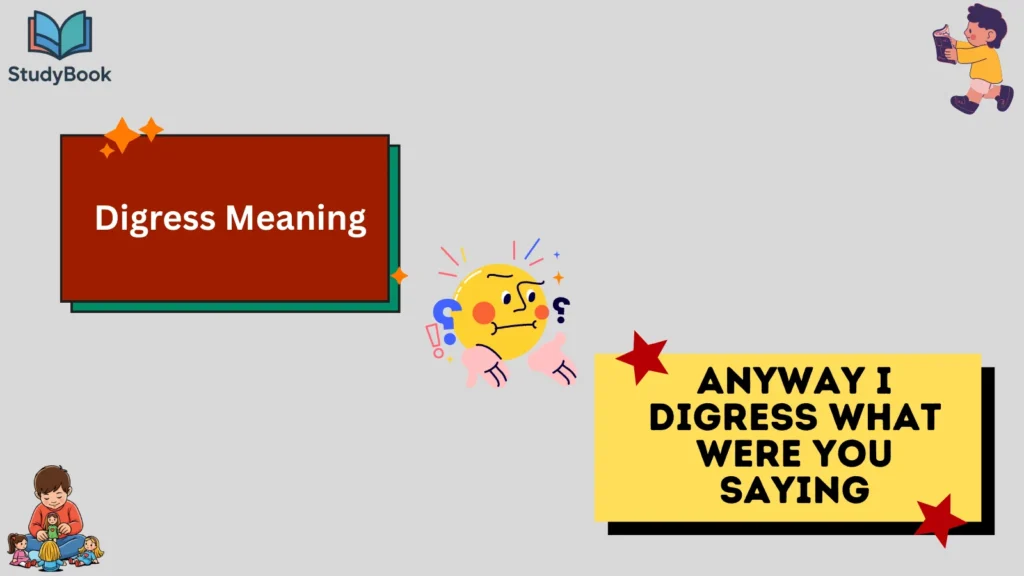
“Anyway, I digress—what were you saying?” - Playful self-roasting
When someone knows they’re ranting. - A soft way of giving commentary
People use it to share an opinion without sounding too intense.
Where it came from
- Historically, “digress” is a formal word used in speeches and writing.
- As internet culture loosened language norms, it became a casual, tongue-in-cheek expression.
- By the early 2020s, it was popular on Reddit and long-form Instagram captions.
- In 2026, it’s still widely used as a humorous, self-aware chat term.
How the meaning evolved
Old use: formal, academic
Modern use: casual, chatty, slightly dramatic
People now use it to add personality and soften their tone, especially when storytelling.
How People Use Digress in Real Conversations
You’ll see “digress” across platforms where people type fast and talk informally.
1. Texting
Used when someone realizes they’ve gone off-topic:
- “Long story short… oh wait, I digress.”
2. Instagram
In captions or comments, often jokingly:
- “I was supposed to talk about my trip but ended up ranting about airport coffee. I digress.”
3. Snapchat
Less common, but still used when adding commentary to a snap story.
4. Discord
Extremely common in group chats, fandom servers, or gaming discussions:
- “We were talking about skins but then I started ranting about game balancing, I digress.”
5. Dating Apps
Used to show personality and humor:
- “I could talk about sushi for hours, but I digress.”
6. Forums & Gaming Chats
Often used when someone gets too deep into lore, strategies, or personal stories.
Tone & Intent
- Casual: “Anyway, I digress.”
- Joking: “Look at me rambling again, I digress.”
- Sarcastic: “Not me writing an essay… I digress.”
- Polite: “But I digress—what were we saying?”
It feels natural when someone is explaining, storytelling, or ranting.
It feels awkward if the conversation is extremely short or serious.
Real Life Examples of Digress in Text Messages

Example 1
Friend:
“I was just trying to get coffee and the line was harmfu and the barista forgot my order… but I digress. Anyway, what time are we meeting?”
Meaning:
They know they went on a mini rant and want to return to the main topic.
Example 2
Partner:
“I saw this dog today and it reminded me of the one we saw at the park and then I started thinking about vacations… I digress.”
Meaning:
They got carried away in their storytelling.
Example 3
Coworker on Slack/Discord:
“Management wants weekly reports now. I have thoughts, but I digress.”
Meaning:
They’re holding back a rant, but hinting at it.
Example 4
Match on a dating app:
“I can talk about music for an hour… but I digress. What’s your go-to playlist right now?”
Meaning:
They’re trying to keep the conversation balanced.
Example 5
Friend in a group chat:
“Anyway, I’ve written a whole essay here, I digress.”
Meaning:
They’re calling themselves out for oversharing.
Common Mistakes & Misunderstandings
1. Thinking it means “I disagree”
A common mistake among beginners.
“Digress” has nothing to do with disagreement.
2. Using it before sharing anything
Incorrect:
“I digress, I want pizza.”
Correct use requires going off-topic first.
3. Using it in serious or emotional conversations
It can feel dismissive if the topic is sensitive.
4. Overusing it
If every message ends with “I digress,” it stops feeling intentional.
5. Using it with someone unfamiliar with English idioms
Non-native speakers may misinterpret it completely.
How to Respond When Someone Sends You Digress
Here are natural replies depending on the situation.
1. Casual acknowledgment
“Ha, you’re good. Go on.”
2. Bringing them back to the topic
“So about your original point…”
3. Light teasing
“You digress a lot but I don’t mind.”
4. Supportive reply
“No worries, I like hearing the full story.”
5. When you’re confused
“What part were we on again?”
This is safe and normal in chat culture.
When NOT to use it back
- During disagreements
- When someone is upset
- When the conversation is short and doesn’t need it
- When it feels forced or overly formal
Is Digress Still Used in 2026?
Yes—very much.
Gen Z
Uses it playfully or ironically.
They like the self-aware, dry humor it adds.
Millennials
Use it more literally, especially in longer messages.
Is it fading?
Not at all.
It’s become part of the modern “rambling but self-aware” internet tone.
Where it’s most common now
- Discord
- Instagram captions
- Group chats
- Long text rants
Short-form TikTok comments use it less, but you’ll still see it.
Related Slangs & Abbreviations
These terms often appear in similar contexts:
Tangent
Going off-topic unintentionally.
Rant
A long, emotional message.
Low-key / High-key
Tone indicators for how strongly someone feels.
BTW (by the way)
A gentle topic-shift marker.
FS / Frfr
Used in discussions where people go on tangents.
Ngl (not gonna lie)
Often part of rambling or commentary.
Idk / Idek
Used when someone loses track mid-ramble.
FAQs:
1. What does “digress” mean in text?
It means someone has gone off-topic and is returning to the main point.
2. Is “I digress” slang or formal?
It’s originally formal, but in modern chat culture it’s used casually and humorously.
3. Is “digress” the same as disagree?
No. That’s a common misunderstanding. They mean completely different things.
4. Can I use “digress” in short messages?
Yes, but it sounds more natural in longer messages or rants.
5. Is “digress” still popular in 2026?
Yes—especially on Discord, Reddit, and in storytelling-style texting.
Conclusion:
Digress is a simple but expressive term that helps people acknowledge when they’ve gone off topic, rambled, or added extra commentary.
Now that you know the digress meaning, you’ll recognize it instantly and can reply confidently in any chat.

I’m the voice behind upvoros, mixing creativity with humor to craft puns that hit just right. When I’m not playing with words, I’m busy making content that feels fun, fresh, and relatable.