If you’ve seen someone say shelter in place in a text, group chat, Discord server, or social feed, you might pause for a second. Is it serious? Is it slang? Is it just news language? That confusion is exactly why so many people search for shelter in place meaning.
Even though this phrase originally comes from emergency and safety announcements, it has taken on a looser, more casual tone in online culture—especially after 2020 reshaped digital communication. Understanding what it means today matters because people now use the phrase in two very different ways: the literal safety meaning and the modern, humorous, everyday slang meaning.
This guide breaks everything down clearly, with real examples and modern context so you never misread the tone again.
What Does Shelter in Place Mean in Chat or Text
In its original, formal sense, “shelter in place” means to stay where you are because of a safety risk. That’s the definition used by emergency alerts, news broadcasts, and local authorities.
But in modern chat culture, the phrase has evolved. Here are the two main meanings:
1. The literal meaning (traditional)
Stay indoors, don’t travel, and wait until a danger passes. People still use this when referring to real emergencies or alerts they receive.
2. The slang meaning (casual and exaggerated)
Online, people often use “shelter in place” jokingly to describe:
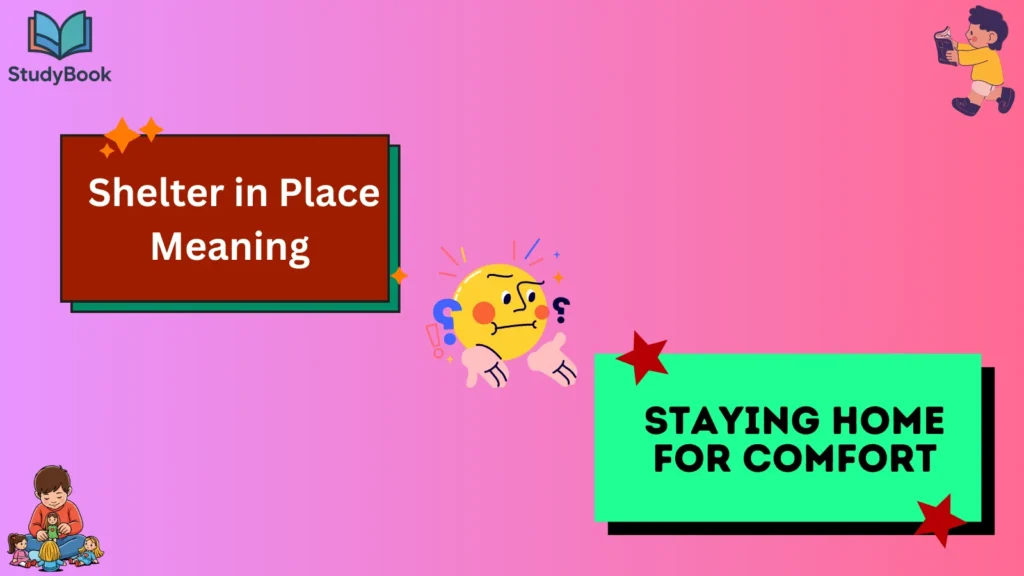
Staying home for comfort
Avoiding drama
Blocking out chaos
Needing a social reset
Quitting weekend plans
Canceling outings because the weather is bad
It became common in memes, online jokes, and sarcastic comments. Gen Z especially uses it with a dramatic, humorous tone—almost like saying, “I’m not dealing with that today.”
How the meaning has evolved
Before 2020, the phrase was rare in daily chat. After global events made it widely known, people began remixing it in a playful, exaggerated way. By 2024–2026, it settled into a hybrid meaning: part serious, part meme, depending on context.
How People Use Shelter in Place in Real Conversations
You’ll see “shelter in place” used across modern platforms, each with its own flavor.
Texting
Used jokingly between friends:
“I’m sheltering in place until this rain chills out.”
Or seriously:
“Our campus just told us to shelter in place.”
Often appears in captions or comments about staying home or avoiding chaos:
“Storm outside, so I’m sheltering in place with snacks.”
Snapchat
Used to describe lazy-day snaps:
“Shelter in place vibes.”
Discord
Gamers sometimes use it sarcastically:
“Boss fight outside my house. I’m sheltering in place.”
Dating Apps
Used in humorous bios:
“My hobbies include sheltering in place and ordering food.”
Forums & Reddit
Often used ironically to describe avoiding social interaction or responsibilities.
Tone & vibe
Depending on the context, it can feel:
Casual
Funny
Sarcastic
Dramatic
Relatable
Serious (only when tied to real emergencies)
When it feels natural vs awkward
Natural: jokes, memes, dramatic complaining, or real alerts
Awkward: using it in everyday small talk, using it sarcastically in a serious situation, or sending it to someone who might take it literally
Real Life Examples of Shelter in Place in Text Messages
Here are clear, relatable examples showing how people actually use the term.
Example 1 (Casual joke)
Friend: “It’s 43°C outside.”
You: “Yeah, I’m sheltering in place. Not risking it.”
Meaning: You’re staying home to avoid heat.
Example 2 (Serious alert)
Coworker: “Office just announced a shelter-in-place until further updates.”
Meaning: A real safety instruction.
Example 3 (Avoiding social energy)
Friend: “Coming to the party?”
You: “Nope. Sheltering in place tonight.”
Meaning: You’re staying home because you don’t feel like going out.
Example 4 (Humor + self-care)
Partner: “Plans?”
You: “Sheltering in place with Netflix.”
Meaning: You want a quiet night in.
Example 5 (Weather joke)
Roommate: “It’s raining sideways.”
You: “Exactly why we must shelter in place.”
Meaning: Dramatic exaggeration for fun.
Common Mistakes & Misunderstandings
Because this phrase has two meanings, people often misread it. Here are common issues:
1. Assuming it always means danger
A lot of people—especially non-native English speakers—think it always refers to emergencies. Not true. Tone matters.
2. Using it jokingly in a serious context
If someone is talking about real safety alerts, don’t respond with memes.
3. Mixing it up with “lockdown” or “stay-at-home order”
These aren’t identical. “Shelter in place” can be temporary. Slang usage is casual.
4. Overusing it
If you use it too much, it can sound dramatic or sarcastic even when you don’t intend it.
5. Misreading generational tone
Younger users tend to use it ironically. Older users may take it literally.
How to Respond When Someone Sends You “Shelter in Place”
Your reply depends on tone and context.
If they’re joking
Use humor back:
“Valid. Snacks secured?”
If they mean they’re staying home
Simple acknowledgement:
“Got it. Stay comfy.”
If it’s weather-related
Supportive and casual:
“Yeah, best to stay inside.”
If it’s a real emergency alert
Serious and quick:
“Stay safe. Keep me updated.”
When to ask for clarification
If you’re unsure whether they mean the serious or the slang version, asking is totally normal:
“Serious or joking?”
When not to use it back
Avoid sending it ironically if they’re talking about real danger.
Is “Shelter in Place” Still Used in 2026?
Yes, but with different layers depending on the audience.
Gen Z
Still uses it casually as a dramatic or sarcastic exaggeration.
Feels natural in memes, group chats, and Discord.
Millennials
Use it less as slang but still recognize both meanings.
General use
The literal meaning is always relevant when referring to real alerts.
The slang meaning is stable, not fading, and still common in online jokes and commentary.
Where it’s most common now
TikTok captions
Instagram stories
Discord servers
Reddit threads
Group chats
Related Slangs & Abbreviations
Here are terms often used in similar contexts:
Hunkering down
Similar dramatic “I’m staying home” vibe.
Soft life
Choosing comfort over stress.
IRL
Used when explaining real-world events related to safety.
Low-key / high-key
Used to express how strongly you’re avoiding something.
Hard pass
Rejecting an invite without hesitation.
FAQs:
1. What does “shelter in place” mean in text?
It usually means either staying indoors for safety or jokingly choosing to stay home to avoid chaos, weather, or social plans.
2. Is “shelter in place” slang?
Yes, in casual conversations it’s used as a dramatic, humorous exaggeration. The original meaning is still serious.
3. Is it okay to use “shelter in place” jokingly?
Yes, as long as the conversation isn’t about real emergencies.
4. Why do Gen Z use “shelter in place” humorously?
It became a meme and a dramatic way to describe staying home or avoiding stress.
5. Is “shelter in place” still relevant in 2026?
Very. Both the literal and sarcastic meanings are widely understood.
Conclusion:
Shelter in place” has become one of those phrases with two lives: a serious safety instruction and a modern internet expression used for humor, exaggeration, and staying home by choice. Once you understand the tone, it’s easy to tell which one someone means.
If you ever feel unsure, ask. The phrase is flexible, common, and still part of everyday online language in 2026.
What’s your favorite chat abbreviation? Drop it in the comments!

I run upvoros with one goal: to make humor easy, smart, and unforgettable. From witty to playful word magic, I create content that feels fun, fresh, and human.