If you’ve seen someone described as sullen on Instagram, Snapchat, or in a text thread, you’re not alone in wondering what it really means.
The term shows up in captions, comments, dating app bios, and even gaming chats, often leaving people confused. And because online language changes fast, knowing the sullen meaning in 2026 helps you avoid misreads and awkward replies.
This guide breaks the word down in simple, modern English. No outdated dictionary talk. Just real explanations, real examples, and real chat culture.
What Does Sullen Mean in Chat or Text
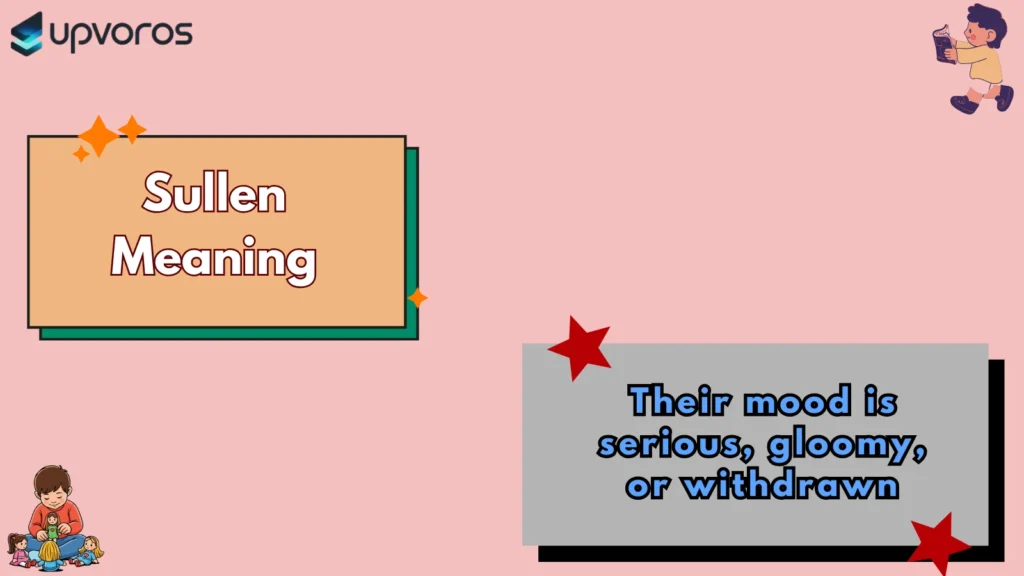
At its core, sullen means quietly upset, moody, or gloomy. It describes someone who isn’t openly angry but clearly isn’t happy either. Think: giving one-word replies, avoiding eye contact, or staying silent because they’re annoyed or hurt.
In digital conversation, “sullen” usually means:
- Someone is acting distant or cold
- They’re upset but won’t talk about it
- Their mood is serious, gloomy, or withdrawn
How the meaning evolved online
Historically, “sullen” was a literary word for moodiness. But on social media, it became shorthand for a specific vibe—quiet, low-energy, closed off, sometimes used playfully in captions like “my sullen era” or “sullen aesthetic.”
In texting culture, it’s used more casually, often to describe someone being dry or low-key annoyed.
How People Use Sullen in Real Conversations
“Sullen” shows up across multiple platforms, but the tone changes depending on where you see it.
Texting
People use it when someone gives dry replies or seems off.
Example: “Why are you so sullen today?”
Often used with moody photos, aesthetics, or captions.
Example: “Serving sullen winter vibes.”
Snapchat
Used when someone looks sad or unamused in a snap.
Example: “Your streak pic looks so sullen.”
Discord
Gamers use it jokingly to call out teammates being quiet or salty.
Example: “Stop being sullen and get back in voice.”
Dating apps
People sometimes use it as a vibe marker.
Example: “Slightly sullen but still fun.”
When it feels natural
- Describing someone’s mood
- Teasing a friend for being quiet
- Captioning a moody picture
When it feels awkward
- Using it with people who don’t speak English fluently
- Overusing it to sound “aesthetic”
- Using it in serious emotional conversations where clearer wording matters
Real Life Examples of Sullen” in Text Messages
A: “You ok? You seem kinda sullen tonight.”
Meaning: You seem quiet and off.
B: “He left me on read and got all sullen for no reason.”
Meaning: He’s being moody and withdrawn.
A: “Why’s your snap so sullen? Long day?”
Meaning: The vibe of your snap feels sad or tired.
B: “I’m not mad, just sullen.”
Meaning: I’m upset but not fully angry.
A: “She went full sullen mode after losing the match.”
Meaning: She got quiet and salty.
Common Mistakes & Misunderstandings
1. Thinking “sullen” means angry
It doesn’t mean explosive anger. It’s more like silent irritation or gloominess.
2. Using it to describe a happy selfie
If someone is smiling, calling them “sullen” looks sarcastic or clueless.
3. Misreading cultural tone
Some people are naturally short texters; they’re not sullen, just concise.
4. Using it jokingly with someone sensitive
Calling someone “sullen” can sound like you’re minimizing their feelings.
5. Assuming it’s an aesthetic term only
Yes, there’s the “sullen aesthetic,” but the emotional meaning is still common.
How to Respond When Someone Sends You Sullen
Safe replies for beginners:
- “What makes you think that?”
- “I’m okay, just tired.”
- “Did I sound sullen? My bad.”
- “Yeah, I’m just in a quiet mood.”
If someone calls you sullen:
- Clarify your tone
- Add more context
- Switch to voice notes if your texting style feels misunderstood
When to ask for clarification
If you’re not sure whether they mean “moody,” “quiet,” or “aesthetic,” just ask:
“What do you mean by sullen here?”
When not to use it back
If the conversation is emotional or serious, reply with clear, direct language instead.
Is Sullen Still Used in 2026
Yes, but the vibe has shifted.
Gen Z
Uses it both seriously and ironically—especially in captions or moody edits.
Millennials
Use it more literally, describing someone’s mood.
Where it still shows up the most
- Instagram captions
- Snapchat streaks
- Aesthetic TikTok edits
- Discord and gaming chats
- Casual texting
“Sullen” isn’t hype slang, but it’s consistent, familiar, and still very much alive.
Related Slangs & Abbreviations
Useful terms people often search alongside “sullen”:
Moody – emotionally up and down
Salty – annoyed or bitter
Dry texting – short, low-effort messages
Low-key – subtly or quietly
In your feels – emotional or thoughtful
Cold – distant, not affectionate
Vibe – the overall emotional energy someone gives off
FAQs:
What does “sullen” mean in text?
It means someone is being quiet, moody, or withdrawn.
Is “sullen” an insult?
Not always. It can simply describe someone’s mood, but tone matters.
Does sullen mean sad?
It can, but more specifically it means gloomy or quietly upset.
Why do people call a picture “sullen”?
Because the expression or vibe looks serious, dark, or moody.
Is “sullen” slang or a real word?
It’s a real English word, but social media has made it more casual and aesthetic.
Conclusion:
Understanding the sullen meaning helps you read modern chats more accurately and avoid tone misunderstandings. Whether someone is describing a mood, a vibe, or calling out dry texting, the word is still widely used in 2026 across apps, chats, and captions.
If you’re learning internet slang, this is a great term to know because it pops up everywhere without being overly dramatic or niche.
What’s your favorite chat abbreviation? Drop it in the comments.

I’m the voice behind upvoros, mixing creativity with humor to craft puns that hit just right. When I’m not playing with words, I’m busy making content that feels fun, fresh, and relatable.