If you’ve seen someone drop “alas” in a text, comment, or story and thought, “Wait… who actually talks like that?” — you’re not alone. Plenty of people Google “alas meaning” because the word feels dramatic, old-fashioned, and oddly poetic for modern chat culture.
But here’s the truth: “alas” is still used today, just not in the way dictionaries teach it. Understanding the real, in-chat meaning helps you read tone correctly, avoid awkward replies, and catch the humor or sarcasm behind it.
Let’s break it down simply, clearly, and in a way that actually matches how people talk in 2026.
Table of Contents
What Does “Alas” Mean in Chat or Text?
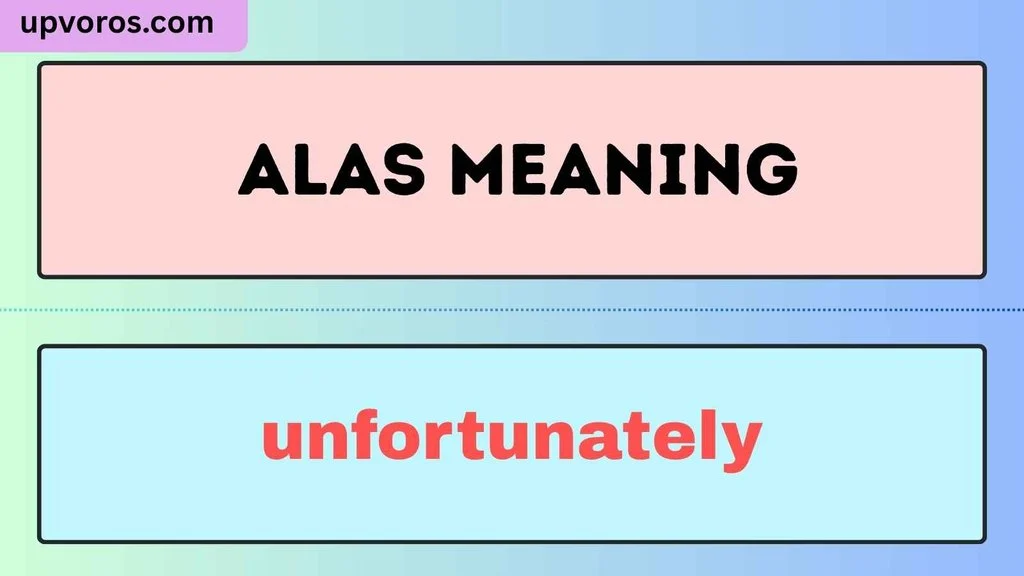
In modern texting, “alas” means “unfortunately,” “sadly,” or “welp, that sucks.” It adds a dramatic or humorous twist to disappointment.
Core meaning:
“Alas” = showing regret, disappointment, or fake poetic sadness.
People usually use it when they’re:
- Being jokey and dramatic
- Pretending to be “fancy” or old-timey
- Expressing real annoyance in a playful way
- Exaggerating sadness for comedic effect
Origin:
“Alas” is a very old English word used in literature to express sorrow or regret. Gen Z didn’t revive it — but they did give it new life by using it ironically.
How its meaning evolved:
Before: serious sadness
Now: funny, sarcastic, exaggerated disappointment
How People Use “Alas” in Real Conversations
You’ll mostly see “alas” in places where people use playful or dramatic language:
Texting:
Used when someone pretends to be tragic in a humorous way.
Instagram:
Captions, reels, or comments that are intentionally over-the-top.
Snapchat:
Used with a funny photo or a “fail” moment.
Discord:
Gamers love it as a sarcastic reaction when something goes wrong.
Dating apps:
Used jokingly to break the ice or sound quirky.
Forums/Reddit:
Common in story posts, rants, or sarcastic replies.
When it sounds natural:
- When something mildly annoying happens
- When you’re being playful
- When you want a dramatic tone
When it feels awkward:
- Serious situations
- Professional messages
- If the other person doesn’t use humor or sarcasm
Tone and intent:
- Sarcastic: “Alas, my plans have failed once again.”
- Playful: “Alas, Starbucks is closed.”
- Lightly dramatic: “Alas, I must wait until payday.”
- Actual disappointment: Rare, but possible.
Real-Life Examples of “Alas” in Text Messages
Example 1:
Friend A: Are we still meeting today?
Friend B: Alas, I’m stuck at work.
Meaning: Sadly, I can’t make it (playful tone).
Example 2:
You: Did you win the match?
Them: Alas, defeat was my destiny.
Meaning: I lost — being dramatic on purpose.
Example 3:
Crush: Wanna hang out tomorrow?
You: Alas, I’m out of town till Monday.
Meaning: I wish I could, but I can’t (slightly flirty dramatic vibe).
Example 4:
Group chat: Who ate my leftover pizza?
Friend: Alas, it has vanished from this realm.
Meaning: Probably jokingly confessing or teasing.
Example 5:
Coworker: Report is due at 9
You: Alas, my sleep schedule is doomed
Meaning: I’m tired but joking about it.
Common Mistakes & Misunderstandings
1. Thinking “alas” means something positive
It never means “great” or “finally.” It’s always tied to some kind of disappointment.
2. Using it too seriously
“Alas” isn’t meant for real tragedies.
Using it in serious moments can feel tone-deaf.
3. Using it with the wrong audience
Some people (especially non-native speakers) may think you’re quoting Shakespeare.
4. Overusing it
It’s meant to be dramatic — using it constantly kills the humor.
5. Assuming it’s outdated
It’s not “common,” but it’s definitely still used in playful online contexts.
How to Respond When Someone Sends You “Alas”
Here are natural ways to reply depending on the vibe:
Simple, safe responses:
- Got you
- No worries
- It’s fine
- Happens to the best of us
Playful dramatic replies:
- Truly a tragedy
- Woe is us
- Fate has betrayed you
- Such sorrow
Supportive replies:
- Want to reschedule?
- Need help with anything?
- It’s okay, don’t stress
When to ask for clarification:
If you’re genuinely confused by the tone or context.
When not to use it back:
- If the person is upset for real
- If it’s a professional conversation
- If you’re unfamiliar with dramatic humor
Is “Alas” Still Used in 2026?
Yes, but with a specific vibe.
Gen Z:
Uses it ironically, dramatically, and mostly for humor.
Millennials:
Use it jokingly or nostalgically.
Boomers:
Rarely use it unless quoting something.
Current trend (2026):
“Alas” is not “mainstream slang,” but it’s part of modern online humor, especially in:
- Gaming chats
- Meme culture
- Tumblr/Reddit style writing
- Dramatic storytelling posts
It’s not dying — it’s just niche and intentionally dramatic.
Related Slangs & Abbreviations
Here are similar or commonly confused terms:
Welp – Accepting disappointment casually.
Oof – Reacting to something painful or unlucky.
Sigh – Literal written-out frustration or sadness.
RIP – Used jokingly to express “that’s dead” or “that sucks.”
FML – Stronger expression of frustration.
Bruh – Used when something unbelievable or annoying happens.
FAQs:
1. What does “alas” mean in text?
It means “unfortunately” or “sadly,” usually in a dramatic or humorous way.
2. Is “alas” sarcastic?
Often yes. People use it ironically or jokingly online.
3. Does “alas” mean the person is upset?
Not usually. It’s more playful than serious.
4. Is “alas” old-fashioned?
Historically yes, but in 2026 it’s used ironically to sound dramatic.
5. Should I use “alas” in professional messages?
No. It sounds too dramatic or theatrical for work communication.
Conclusion:
“Alas” might look old-school, but its modern meaning is simple: a playful, dramatic way to say something disappointing happened. Once you understand the tone behind it, it becomes easy to read and even fun to use.
If you ever see it in a text again, you’ll know exactly what the person means — no confusion, no awkward replies.
What’s your favorite chat abbreviation? Drop it in the comments.

I run upvoros with one goal: to make humor easy, smart, and unforgettable. From witty to playful word magic, I create content that feels fun, fresh, and human.